Talk highlights screen policy in schools
Enter and exit – screens in and out of schools
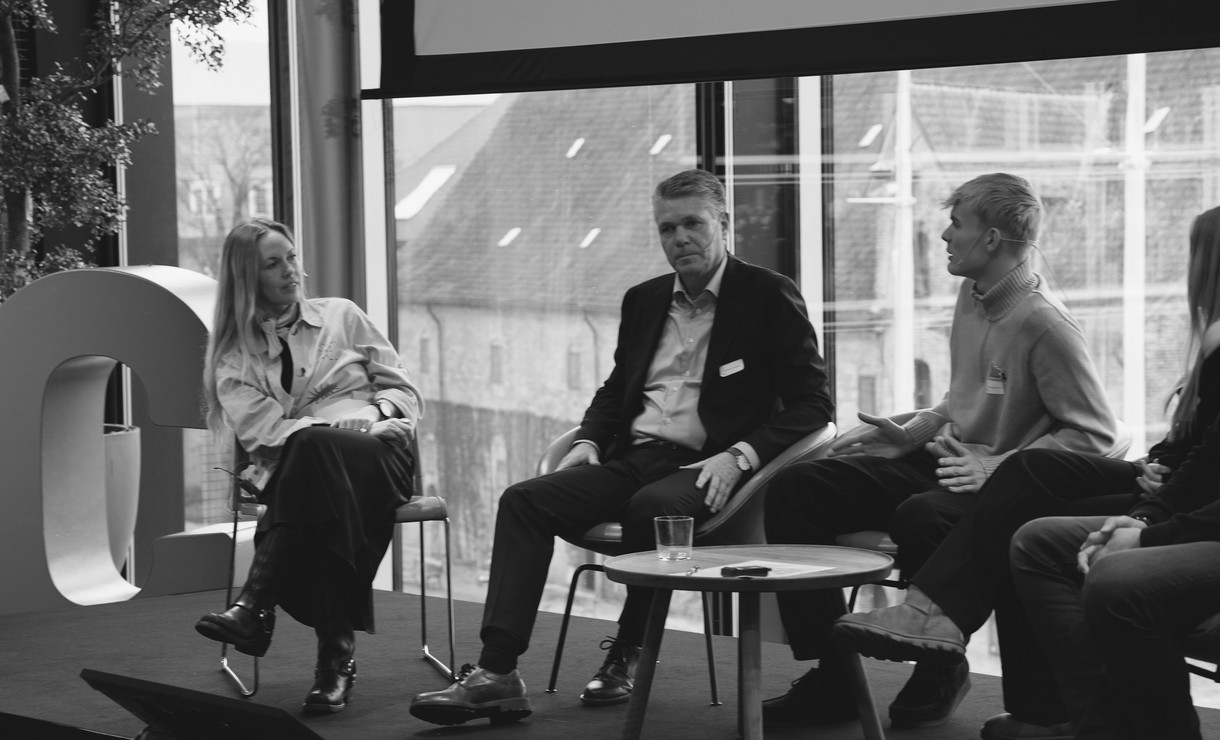
Our latest talk featured presentations on how screens have entered—and are now leaving—schools, insights from students and teachers at Niels Brock Gymnasium, a panel debate with lively discussions, and a presentation of a tool developed by Children's Welfare (Børns Vilkår). The entire event was moderated by our own screen expert, senior researcher Cathrine Wimmelmann.
Dorte Ågård has researched the impact of screens on teaching and has helped schools develop screen policies. She sees a new consensus emerging on principles for screen use in schools, emphasizing clear, restrictive rules applied with kindness and support.
"All the distractions that have entered classrooms with mobile phones, tablets, and so on destroy students’ concentration. We thought children could learn to manage technology by having constant access to screens. Now we believe they should learn this by not having them," said Dorte Ågård.
New recommendations on screen use
With the Well-being Commission’s new recommendations, a talk on school screen policies could not be more timely. “A balanced digital life” is among the 35 new recommendations, which include advising that children only get a smartphone after the age of 13, and that they should be kept out of primary schools altogether.
At Niels Brock Gymnasium, significant experience has been gained over the past 18 months with screen-free school days. When students arrive for classes, they now hand in their phones, which are only returned during breaks. Students, teachers, and the principal all emphasized that collaboration and communication between teachers, students, parents, and school management are key to the school’s success with its screen policies.
Katrine Andersen, education consultant at Children's Welfare (Børns Vilkår), presented a tool that helps parents manage and plan digital agreements. The tool, called the Parent Meeting Tool, is freely available to everyone and can be accessed here.
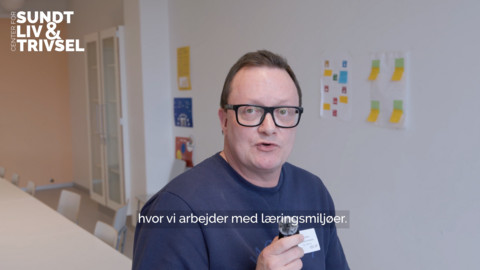
Screen policy is just one part of promoting well-being at school. Teacher Dan Kristian Møller explains in a video interview that the school is undertaking a broader initiative, with screen policy being just one component of the bigger picture.
You can watch a clip from the talk below (the clip is in Danish):
We need your consent
You need to accept functional cookies to watch Vimeo videos