The potential of leisure clubs to promote well-being
Leisure clubs are among the places where children and young people can truly explore, play, express themselves, and become part of communities with both peers and adults. Yet leisure clubs are often overlooked when discussing children’s health and well-being in everyday life.
This is despite the fact that leisure activities play an important role in many children’s everyday lives. A 2018 study by the Danish Evaluation Institute (EVA), for example, found that the children who reported the highest levels of well-being at school were also among those who spent the most time in leisure clubs.
The Centre for Childhood Health, together with University College Copenhagen, has recently completed a series of workshops in which practitioners, researchers, and representatives from organisations working in the fields of children, leisure, and health explored how leisure clubs can be strengthened as settings for promoting children’s health and well-being.
Strong interest in creating coherence
The workshop series has shown that there is strong interest in continuing to explore the potential of leisure clubs – particularly in strengthening the connections between schools, leisure clubs, and children’s wider leisure lives.
According to Iben Rask Heuck and Josephine Bilsteen, who organised the workshop series on behalf of the Centre, the format and interactive elements helped bring together perspectives across the fields of children, leisure, and health, and succeeded in generating new shared insights.
“We experienced a strong willingness to share experiences, knowledge, and ideas across professions and organisations. It also became clear that it makes sense to think more coherently about the environments that shape children’s entire day,” say Iben Rask Heuck and Josephine Bilsteen.
They point out that the workshop series also worked well as a networking forum, and that there is interest in maintaining the network.
“The participants showed a shared curiosity about how we can move forward together. Several participants also expressed a wish for the network to continue,” they say.
When children share their ideas, they should be taken seriously
Leisure clubs are also places where children and young people should want to spend time and actively choose to be. That is why the workshops also focused on children’s own voices and ideas.
At Klub Guldberg, part of Fritidscenter Nørrebro, they work with a very specific principle: no more than one week should pass from the moment children present an idea until they receive a response. The aim is to take children’s perspectives seriously while their ideas are still fresh.
“From a child’s perspective, time passes quickly. What feels important and motivating today is not necessarily the same two or three weeks from now. That is why it is important for us to respond quickly to the ideas children come up with. If too much time passes, we risk that it is the adults, rather than the children themselves, who keep the idea alive. Responding quickly helps ensure that children experience genuine participation and a vibrant democratic culture, where their input truly makes a difference,” says Niels Vinther, Educational Manager at Fritidscenter Nørrebro.
Growing focus on leisure-time pedagogy
Over the past year, there has been growing interest in children’s and young people’s leisure lives. In February, the Danish Commission on Well-being, among other things, recommended strengthening safe and inclusive communities in leisure and voluntary activities.
The new government platform now also includes funding to strengthen after-school centres, school-based leisure programmes (SFOs), and youth clubs. For example, the funding may be used to improve opportunities for activities, extend opening hours, support adventure playgrounds, establish a pilot scheme in selected municipalities where after-school centres are available through sixth grade, and expand social staffing initiatives while ensuring a geographical distribution of the funding.
For the Centre for Childhood Health, both this growing interest and the workshop series demonstrate that leisure clubs hold considerable potential, which requires collaboration and a shared willingness to move forward together. The work from the workshops will result in a knowledge summary, which will be published during the autumn and made available on this page.
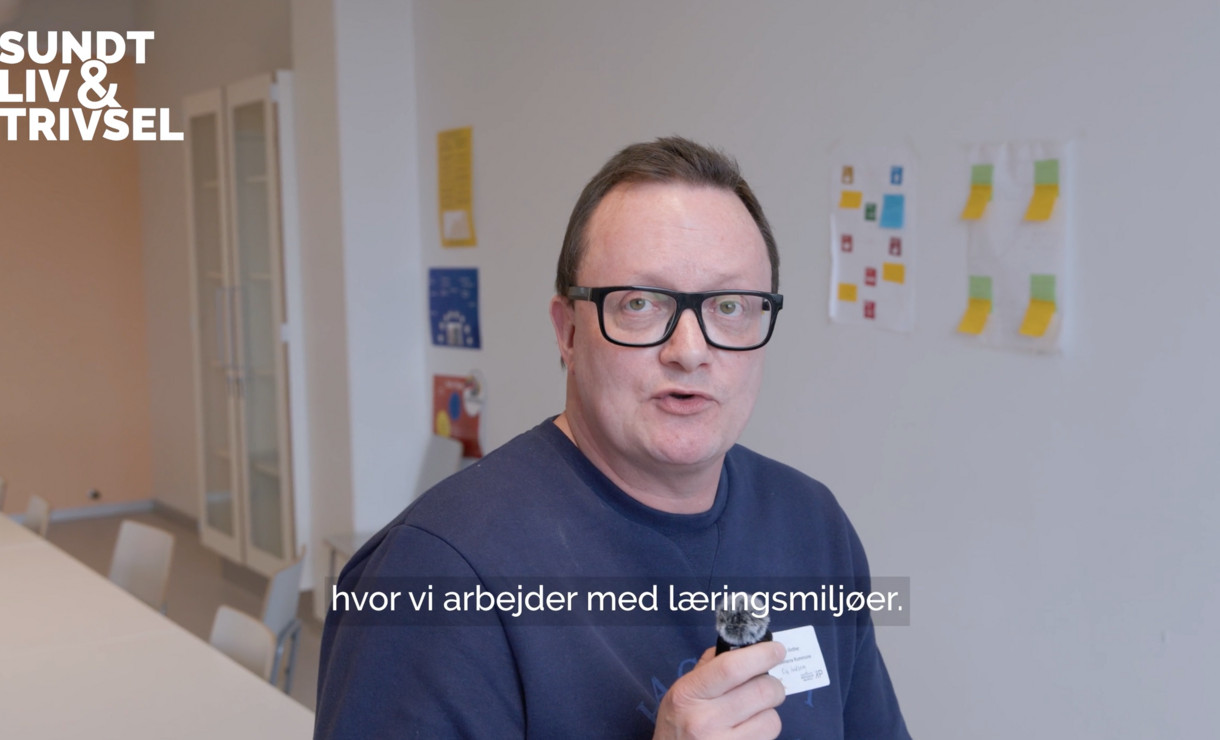
Below, you can watch a video from the workshop and meet both participants and organisers.
We need your consent
You need to accept functional cookies to watch Vimeo videos