A new study examines children’s and young people’s language, attitudes, and understanding of health and body image. It also highlights how this language shapes how they see themselves and others.
The study, conducted by Epinion, interviewed over 50 children aged 8–16. It provides an in-depth look at how young people are influenced by societal attitudes and language—particularly around weight.
Key findings include:
- Children develop ideas about “right” and “wrong” bodies at an early age, with fear of being teased playing a major role.
- There is a widespread perception among children and young people that a healthy body is a thin body.
- Children prefer to use gentle language to soften statements, for example saying someone is “slightly bigger than others.”
- Many, especially older girls, feel that it’s best to avoid commenting on other people’s bodies.
- Being confronted with a “wrong” body affects well-being more than the specific words used.
Give the children a voice
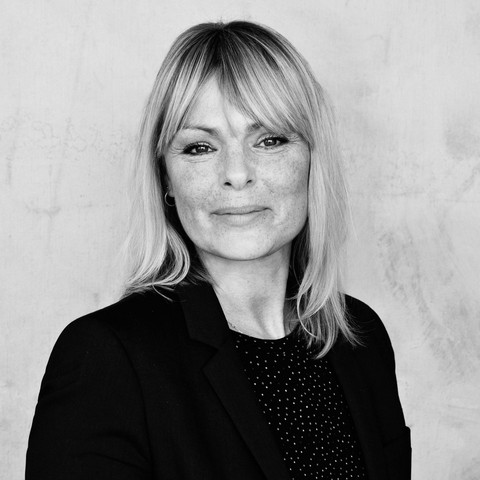
The study was initiated by Marianne Lemvig, Head of Communications, who believes its findings are valuable in multiple ways:
“One of the primary goals of this study has been to bring the voices of children and young people into a debate often led by adults. It’s important for us to avoid contributing to weight stigma and instead support an open dialogue about health and well-being. Rather than focusing solely on weight or difficulties, we aim to communicate hope and action—about healthy environments, communities, and overall well-being.”
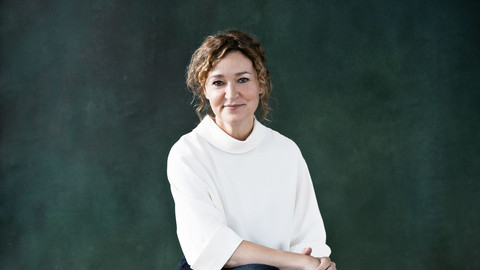
Julie Ane Bessmann, sociologist and senior consultant at Epinion, helped design the study. She emphasizes the methodological care taken to ensure children could express themselves freely:
“An 8-year-old and a 16-year-old differ greatly in terms of interests, values, self-esteem, and language use. For this study, we combined in-person group interviews with younger children at after-school programs with mobile ethnography, which older children could access from their phones at home. This approach allowed us to gain insight into their thoughts and language in a way that felt safe and natural for them. Creating the right conditions for children was especially important when asking them to share experiences and reflections on sensitive topics like body image and health.”
What children and young people say
The study shows that children as young as 8–9 are already thinking about how their bodies look. One 9-year-old girl explains:
"We only wear a T-shirt and pants (for gym class), so when I put them on, you can see that my gym pants are tight. And that can make you a bit fatter."
Many children and young people associate health with a specific body ideal. One 11-year-old boy says:
"Some people struggle with body ideals, but we are all just human!"
The study also finds that attitudes toward body and weight come not only from peers but from adults. One boy reflects:
"Adults need to do better at being less judgmental and more aware of what they say."
Judgmental adults
Children in the study report being influenced by their environment: mothers dieting, fathers at the gym, sports stars showing six-packs, thin models on social media. How adults talk about bodies, weight, and health matters:
"Children and young people have very keen antennas that pick up everything we say and do around them. They hear that people with higher weight are labeled as wrong or unhealthy. This challenges all of us who communicate about these topics to be more careful with our language and messages," says Marianne Lemvig.
The study was conducted by Epinion for the Center for Healthy Living and Well-being.