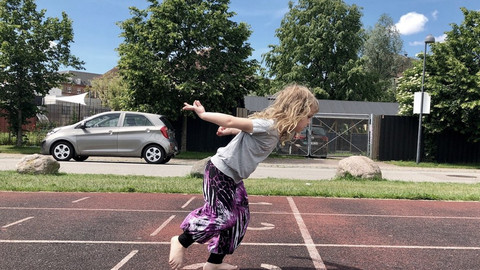
Social inequality is increasingly shaping Danish children's weight, mental health, and overall well-being.
That is why we are supporting a new research project that will investigate the patterns and mechanisms underlying these inequalities and explore how prevention efforts can be targeted more effectively.
The project, called Dynamics, combines machine learning, complex simulation models, and large-scale datasets to develop a deeper understanding of the links between social inequality and challenges related to weight and well-being.
Important for future prevention efforts
The Centre is supporting the project with DKK 6 million. The findings could contribute to earlier and more effective interventions for children and young people in vulnerable circumstances. This is the assessment of Nina Geiker, Programme and Development Director:
“We know that there are clear links between social inequality, weight, and well-being. However, we need a better understanding of what drives these relationships and where interventions can have the greatest impact in reducing them. If Dynamics succeeds in identifying the most likely patterns and dynamics underlying inequality, we will be able to target prevention efforts much more effectively,” says Nina Geiker.
Understanding the mechanisms behind inequality
The project is led by Professor Naja Hulvej Rod together with Assistant Professor Jeroen Uleman and Associate Professor Anne Helby Petersen from the Centre for Complexity and Health at University of Copenhagen. Naja Hulvej Rod explains:
“Research on childhood obesity has long been dominated by a focus on diet and physical activity. Today, however, we know that weight development is also shaped by social conditions, well-being, and mental strain, which can influence and reinforce one another throughout childhood.”
Among other things, Dynamics will investigate the dynamics behind inequality by analysing:
- how social conditions influence children's well-being and weight over time;
- which children are most vulnerable;
- which types of interventions have the greatest potential to reduce inequality effectively.
The researchers will do this by combining Danish register data with advanced analytical methods and artificial intelligence. See the fact box for further details.